
As an ancient mode of transportation, sailing has played a significant role in the long history of humankind. Today, sailing has become a captivating and challenging sport, attracting an increasing number of participants. Sailing not only tests participants' physical strength and skills but also cultivates their courage, wisdom, and team spirit.
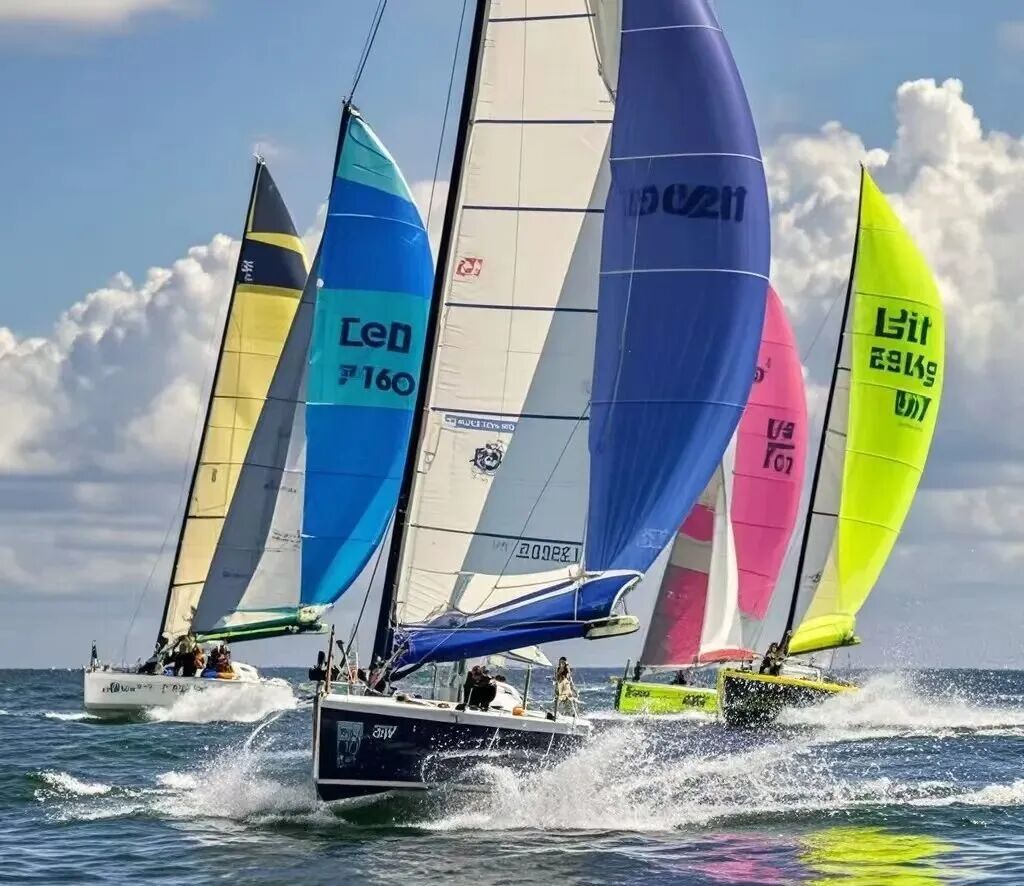
I. The History of Sailing
Origins and Development
The origin of sailing can be traced back to ancient times, when humans used wind power to navigate on water. Over time, sailing technology continued to develop, from simple rafts to complex multi-masted vessels, with sailboats playing a crucial role in trade, exploration, and warfare.
The Rise of Modern Sailing
In the late 19th century, modern sailing began to emerge. Countries started organising sailing competitions and establishing uniform racing rules. Today, sailing has become a global sport with a large number of enthusiasts and professional athletes.
II. Characteristics of Sailing
Integration with Nature
Sailing takes place in the embrace of nature, allowing participants to personally experience the charm of wind, waves, sunshine, and the sea. Close contact with nature not only brings physical and mental joy but also enhances awareness of environmental protection.
Combination of Technique and Strategy
Sailing requires participants to master certain nautical skills, such as steering, trimming sails, and judging wind direction. At the same time, it demands rational strategy-making based on wind direction, currents, and opponents' actions.
Importance of Teamwork
In large sailing competitions, multiple crew members are usually required to work together. Tacit coordination and clear division of labour among team members are key to achieving victory.
III. The Personal Value of Sailing
Improving Physical Fitness
Sailing requires participants to have good physical strength, endurance, and balance. Constantly adjusting body posture and coping with wind and wave challenges during sailing effectively exercises muscles throughout the body.
Cultivating Psychological Resilience
Sailing is full of uncertainties and challenges, requiring participants to possess psychological qualities such as bravery, decisiveness, calmness, and tenacity. When facing difficulties and setbacks, sailors must maintain a positive attitude and find ways to solve problems.
Enhancing Social Skills
Sailing is often carried out in teams, allowing participants to meet people from different backgrounds and expand their social circles. Through teamwork, they learn communication, coordination, and mutual support, thereby improving their social skills.
IV. Future Development Trends of Sailing
Technological Innovation
With continuous technological progress, sailing technology is also constantly innovating. Future sailboats will become more intelligent, efficient, and environmentally friendly, providing participants with a better sailing experience.
Popularisation
As people's living standards improve and they pursue a healthy lifestyle, sailing will gradually become more popular. Governments and social organisations will increase their promotion of sailing, building more sailing clubs and training centres so that more people have the opportunity to participate.
International Cooperation
Sailing is a global sport, and international cooperation and exchange will be strengthened in the future. Countries will jointly organise more international sailing competitions and events, promoting the development of sailing and cultural exchange.
As an ancient yet vibrant sport, sailing has unique charm and value. It not only builds physical fitness, cultivates psychological resilience, and improves social skills but also promotes tourism development, fosters environmental awareness, and passes on maritime culture. With technological progress and social development, sailing will embrace even broader prospects. Let us set sail together, heading towards the ocean of the future, and experience the charm and value of sailing.