
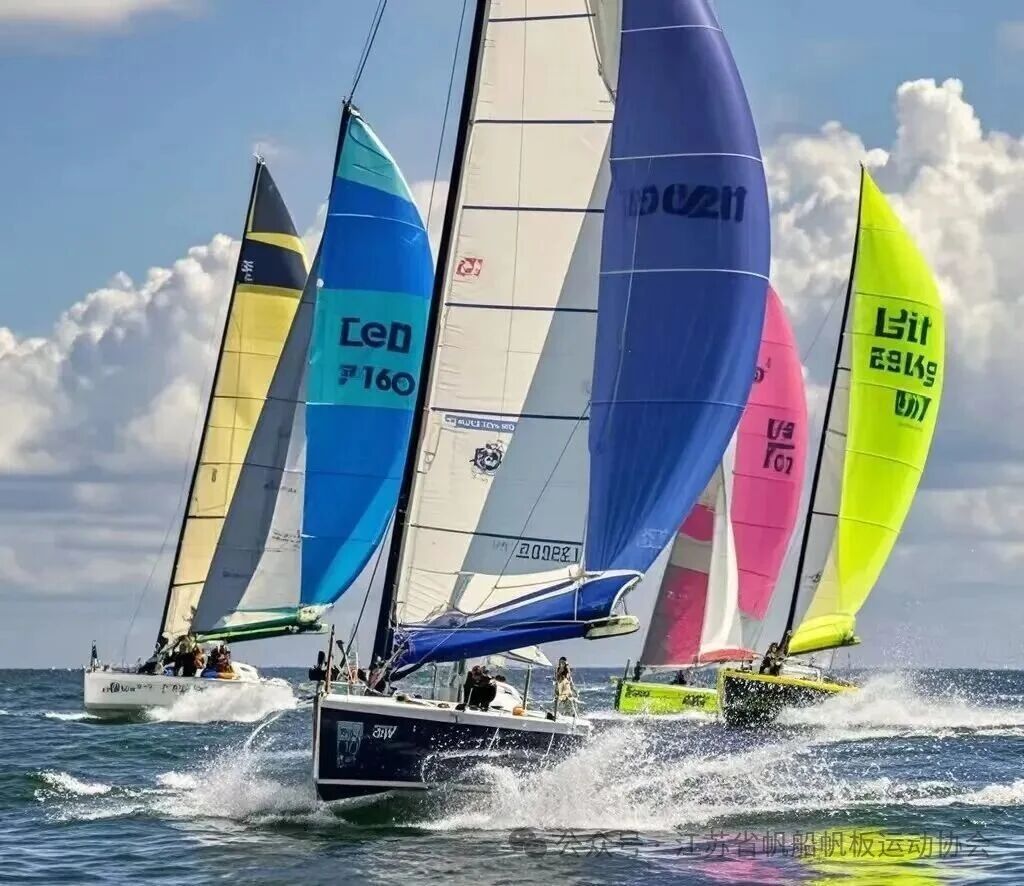
As an ancient means of transport, sailing has played a significant role throughout human history.
Today, sailing has evolved into a captivating and challenging sport that attracts an ever‑growing number of participants. It not only tests one's physical strength and skills, but also cultivates courage, wisdom, and teamwork.
I. The History of Sailing
Origins and Development
The origins of sailing can be traced back to ancient times, when humans first harnessed the wind to travel on water. Over the centuries, sailing technology advanced – from simple rafts to complex multi‑masted vessels – playing a vital role in trade, exploration, and warfare.
The Rise of Modern Sailing
In the late 19th century, modern sailing began to take shape. Countries started organising races and establishing standardised rules. Today, sailing has become a global sport with a large community of enthusiasts and professional competitors.
II. Characteristics of Sailing
1. Connection with Nature
Sailing takes place in the embrace of nature, allowing participants to experience the wind, waves, sunlight, and the vastness of the ocean. This intimate contact with the natural world not only brings physical and mental well‑being, but also fosters a stronger sense of environmental responsibility.
2. Combination of Technique and Strategy
Sailing requires mastering essential skills – such as steering, trimming the sails, and reading wind direction – while also formulating smart strategies based on wind shifts, currents, and competitors' movements.
3. The Importance of Teamwork
In large sailing competitions, multiple crew members must work together seamlessly. Clear role allocation and smooth coordination are often the keys to victory.
III. Personal Value of Sailing
1. Physical Fitness
Sailing demands good strength, endurance, and balance. Constantly adjusting your posture and responding to the motion of the waves effectively works various muscle groups throughout the body.
2. Mental Resilience
Sailing is full of unpredictability and challenges, requiring courage, decisiveness, composure, and perseverance. When faced with difficulties, sailors learn to stay positive and find solutions.
3. Social Skills
Sailing is typically a team activity, where participants meet people from diverse backgrounds and expand their social circles. Through cooperation, they develop communication, coordination, and mutual support – enhancing their overall social abilities.
IV. Future Trends in Sailing
1. Technological Innovation
With ongoing technological progress, sailing equipment continues to evolve. Future boats will be smarter, more efficient, and more environmentally friendly, delivering an even better experience for sailors.
2. Growing Popularity
As living standards rise and more people pursue healthy lifestyles, sailing is becoming increasingly accessible. Governments and social organisations are stepping up promotion efforts, building more clubs and training centres, and opening up opportunities for more people to get involved.
3. International Collaboration
Sailing is a global sport, and international cooperation is set to deepen. Countries will jointly host more international races and events, promoting the sport's development and fostering cultural exchange.
Conclusion
As a timeless and vibrant sport, sailing offers unique charm and value. It enhances physical health, builds mental strength, improves social skills, boosts tourism, raises environmental awareness, and helps preserve maritime culture.
With technological and social progress, sailing is poised for an even brighter future. Let us raise our sails and head for the open ocean – to experience the allure and significance of sailing for ourselves.